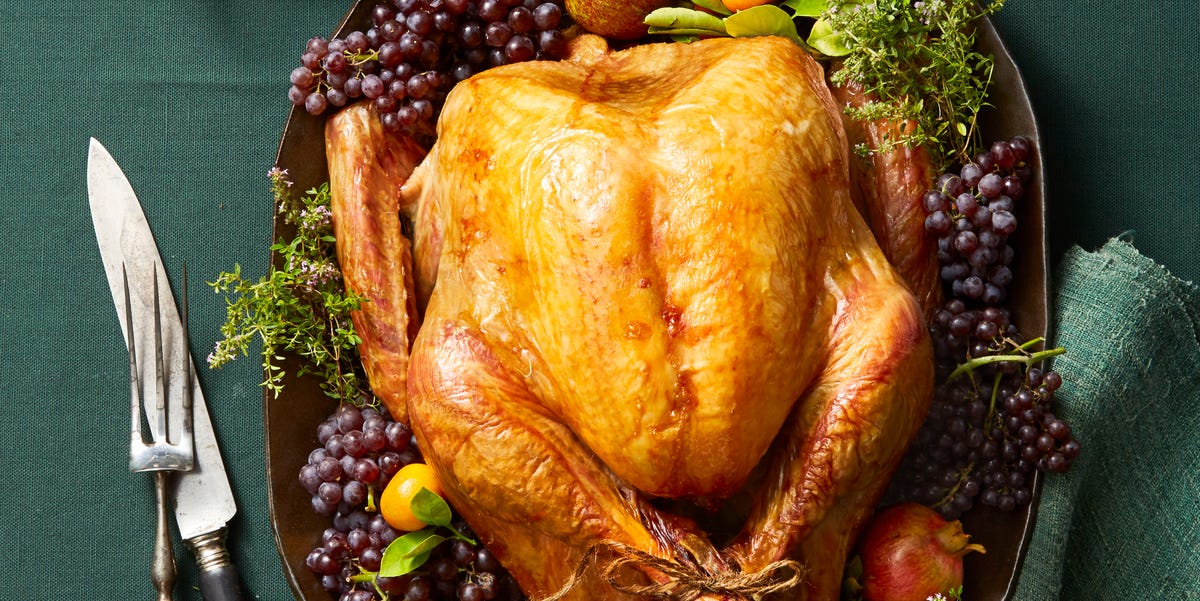
Unlock Juicy Turkey: The Science Behind Perfect Brining
For many home cooks, the thought of serving a dry, bland turkey is a recurring nightmare, especially during holiday feasts like Thanksgiving. You envision a golden-brown, crispy skin giving way to succulent, flavorful meat, but the reality often falls short. This is where mastering
how to brine a turkey becomes your ultimate culinary superpower. Brining isn't just another cooking trend; it's a scientifically proven method that transforms an ordinary bird into an extraordinary culinary experience, enhancing both moisture and deep, savory flavors from the inside out.
Whether you're a seasoned chef or a first-time holiday host, understanding the principles of brining—how salt works its magic, the difference between wet and dry methods, and the secret to infusing aromatics—will fundamentally change the way you approach cooking turkey. It’s the secret weapon for achieving that elusive balance of tenderness and taste, ensuring every bite is as juicy and memorable as you dream it to be.
The Culinary Science Behind a Perfectly Brined Turkey
At its heart, brining is a sophisticated process that leverages a salt-based solution to profoundly enhance the flavor and moisture of meat before it even touches the heat. It’s more than just a pre-seasoning step; it’s a foundational technique that lays the groundwork for a truly spectacular roast.
Osmosis and Protein Power: The Moisture-Locking Magic
When you submerge a turkey in a saltwater brine (a wet brine) or apply salt directly to its surface (a dry brine), a fascinating scientific process begins. This process, primarily osmosis, draws salt and liquid deep into the muscle fibers of the turkey. As the salt permeates the meat, it begins to alter the protein structure. Specifically, salt denatures muscle proteins like myosin, causing them to unwind and relax. This partial dissolving allows the muscle fibers to expand and then re-coil, trapping and holding onto significantly more water than they naturally would.
Think of it as transforming the turkey's internal sponge. Instead of simply seasoning the surface, brining infuses the entire bird with flavor and, critically, helps it retain this extra moisture during the intense heat of roasting. This moisture-locking technique is your ultimate defense against the dreaded dry turkey breast, acting like a safety net that keeps the meat succulent even if it's slightly overcooked.
Flavor Infusion and Crispy Skin Dreams
Beyond moisture retention, brining is a master class in flavor infusion. The salt doesn't just make the turkey taste salty; it opens up pathways for other flavors to penetrate the meat. When you add aromatics like garlic cloves, citrus peels, bay leaves, rosemary, or peppercorns to your brine, their subtle notes are drawn into the turkey, creating a complex, savory profile that goes far beyond surface-level seasoning. This internal flavoring means every shred of meat carries a rich, nuanced taste.
Sugar, often an unsung hero in brine recipes, plays a vital dual role. It balances the saltiness, preventing the turkey from becoming overwhelmingly salty, and more importantly, it promotes that coveted golden-brown, crispy skin. As the turkey roasts, the sugar on the surface caramelizes, creating a beautiful, irresistible exterior. The moisture retained from brining also creates internal steam during roasting. This steam works to keep the meat incredibly supple and juicy inside while allowing the outer skin to crisp up perfectly. The result is that ideal contrast: a tender, moist interior shielded by a crackling, flavorful crust. To truly understand the full transformation, explore
How Brining Transforms Turkey: Juicy Meat & Crispy Skin Secrets.
Wet Brine vs. Dry Brine: Choosing Your Path to Perfection
Before you embark on your brining journey, understanding the two primary methods – wet brining and dry brining – is crucial. Both achieve the goal of a juicy, flavorful turkey, but they do so through slightly different mechanisms and come with their own set of advantages and considerations.
Understanding Wet Brining
Wet brining is perhaps the more traditional and widely recognized method of the two. It involves fully submerging your thawed turkey in a carefully prepared solution of water, salt, and often sugar and various aromatics.
*
Pros: Wet brining is incredibly effective at infusing deep moisture throughout the entire bird, making it a highly reliable method for preventing dryness. It also provides an excellent vehicle for imparting a wide range of flavors from herbs, spices, and citrus directly into the meat. For larger turkeys, it’s often seen as a foolproof way to guarantee a moist outcome.
*
Cons: The main challenge with wet brining is logistics. It requires a significant amount of refrigerator space for a large container or brining bag, which can be cumbersome. It can also be a bit messy, and if the brine isn't perfectly balanced or the turkey is left too long, there's a risk of the meat becoming too salty or even developing a slightly "hammy" texture. Some argue it can dilute the natural turkey flavor slightly.
Decoding Dry Brining
Dry brining, sometimes referred to as pre-salting, takes a more minimalist approach. Instead of a liquid solution, you simply rub a generous amount of coarse salt directly onto the surface of the turkey, including under the skin.
*
Pros: Dry brining is remarkably less messy and requires much less space, as the turkey simply rests on a rack in the refrigerator. It excels at delivering intensely crispy skin, as there's no added moisture to evaporate before the skin can crisp up. Because no water is added, it concentrates the natural turkey flavor, leading to a richer taste. It's often favored by those who prefer a crisper skin and a more pronounced "turkey" flavor.
*
Cons: While effective, dry brining can be a bit more nuanced to master initially, as applying too much salt can lead to an overly salty bird. It doesn't add moisture in the same way a wet brine does but rather helps the turkey retain its existing moisture exceptionally well. It's also less effective for infusing a wide array of aromatic flavors directly into the meat, though surface rubs can still contribute to the overall taste.
Ultimately, both methods are excellent for achieving a juicy turkey. Wet brining is often recommended for those new to the process, offering a straightforward path to guaranteed moisture. Dry brining is a fantastic choice for cooks who prioritize an intensely crispy skin and concentrated flavor profile, and have a bit more experience with seasoning.
Crafting Your Perfect Brine: Step-by-Step for Success
Once you've decided on your brining method, the next step is to prepare your turkey and your chosen brine. Here’s how to set yourself up for a truly unforgettable bird.
Essential Ingredients for a Wet Brine
A basic wet brine is simple, but the quality of your ingredients matters.
*
Salt: Always use kosher salt or coarse sea salt. Avoid iodized table salt, as it contains anti-caking agents that can cloud your brine and impart an undesirable metallic flavor. A good starting ratio is about 1 cup of kosher salt per gallon of water, but this can vary slightly based on desired intensity and turkey size.
*
Water: Cold water is essential for food safety and cooling the brine quickly.
*
Sugar: Brown sugar, white sugar, or even maple syrup can be used. About 1/2 to 1 cup per gallon of water helps balance the saltiness and aids in beautiful browning.
*
Aromatics: This is where you personalize your turkey! Consider combinations like:
*
Herbs: Fresh rosemary, thyme, sage sprigs.
*
Garlic: Whole or smashed cloves.
*
Citrus: Halved lemons, oranges, or limes.
*
Spices: Bay leaves, black peppercorns, juniper berries, star anise.
*
Vegetables: Sliced onions, carrots, or celery.
The Wet Brining Process
1.
Prepare the Brine: In a large pot, dissolve the salt and sugar in about 2-4 cups of hot water (this speeds up dissolution). Stir until fully dissolved.
2.
Cool Down: Add the remaining cold water and any ice to rapidly cool the brine to below 40°F (4°C). This step is critical for food safety; never put a turkey into warm brine. Add your chosen aromatics to infuse as it cools.
3.
Prepare the Turkey: Ensure your turkey is fully thawed. Remove any giblets or the neck from the cavity. Pat the turkey dry with paper towels.
4.
Submerge: Place the turkey in a food-grade container large enough to hold it, such as a brining bag, a large stock pot, or a clean cooler. Pour the cooled brine over the turkey, ensuring it is completely submerged. If the turkey floats, use a plate or weight to keep it under the liquid.
5.
Refrigerate: Brine the turkey in the refrigerator for the recommended time. A good rule of thumb is 1 hour per pound, but generally, 12-24 hours is sufficient for most turkeys. Do not over-brine, as this can make the turkey too salty or mushy.
6.
Rinse and Dry: After brining, remove the turkey from the brine and discard the liquid. Rinse the turkey thoroughly under cold running water, both inside and out, to remove any excess salt. Pat the turkey incredibly dry with paper towels – this is vital for achieving crispy skin during roasting.
A Quick Look at Dry Brining Application
1.
Prep the Turkey: Ensure the turkey is completely thawed and remove giblets. Pat the entire turkey (inside and out, under the skin) very, very dry with paper towels.
2.
Apply Salt: Generously sprinkle coarse salt (about 1 tablespoon per 4-5 pounds of turkey) over all surfaces of the bird, including inside the cavity and particularly under the skin of the breast and thighs. Rub it in evenly.
3.
Refrigerate: Place the salted turkey on a rack set over a baking sheet and refrigerate uncovered for 24 to 72 hours. The salt will first draw out moisture, then re-absorb it, carrying the salt deep into the meat.
4.
Ready to Roast: There's no need to rinse a dry-brined turkey. Just pat it dry again before roasting. Any excess salt should be brushed off, but generally, the salt is absorbed.
For more detailed strategies on ensuring a succulent bird every time, dive into
Stop Dry Turkey: Master Brining for Unforgettable Flavor & Moisture.
Mastering the Brine: Tips for Ultimate Turkey Perfection
Even with the right method, a few key tips can elevate your brining game from good to absolutely glorious.
*
Temperature Control is Non-Negotiable: Food safety is paramount. Always keep your turkey and brine at or below 40°F (4°C). If using a cooler, ensure you use plenty of ice and monitor the temperature.
*
Don't Over-Brine: While brining works wonders, too much of a good thing can be detrimental. Over-brining, especially with a wet brine, can result in overly salty or mushy meat. Stick to the recommended times based on the turkey's size.
*
Rinse, Rinse, Rinse (for Wet Brine): This step is often overlooked but crucial for wet-brined turkeys. A thorough rinse removes surface salt, preventing an overly salty taste and helping the skin crisp up more effectively.
*
Pat Dry for Crispy Skin: Whether wet or dry brining, thoroughly patting the turkey dry before roasting is non-negotiable for achieving that coveted, crackling skin. Moisture on the surface will steam instead of crisp.
*
Check for Pre-Brined Turkeys: Many commercially available turkeys, especially frozen ones, are already "enhanced" with a saline solution. Brining these can lead to an unpleasantly salty bird. Always check the label for ingredients like "contains up to X% solution" or "pre-brined."
*
Consider a Brining Bag: For wet brining, heavy-duty brining bags (or oven roasting bags) can be a lifesaver. They minimize mess, require less liquid, and make it easier to manage a large turkey in the refrigerator.
*
Spatchcocking for Even Cooking: For smaller turkeys, or if you have the space, spatchcocking (removing the backbone and flattening the bird) can enhance brining effectiveness by exposing more surface area and leads to incredibly even cooking and crispy skin.
Conclusion
Learning how to brine a turkey is truly a game-changer in the kitchen. It transforms the often-dreaded task of roasting a turkey into a confident culinary endeavor, guaranteeing a bird that is consistently moist, deeply flavorful, and crowned with a beautifully crispy skin. By understanding the science behind salt's interaction with muscle proteins, selecting the right brining method for your needs, and following key preparation tips, you unlock the secret to turkey perfection. This year, ditch the dry, bland bird and embrace the juicy, savory success that only a well-brined turkey can deliver. Your guests (and your taste buds) will thank you.