How Brining Transforms Turkey: Juicy Meat & Crispy Skin Secrets
Every home cook dreams of serving a turkey that boasts succulent, flavorful meat beneath a golden-brown, irresistibly crispy skin. Yet, the reality often falls short, with many turkeys emerging from the oven dry, bland, and a little disappointing. If you've ever wondered how to achieve that perfect balance of tenderness and taste, the answer lies in mastering the art of brining. Learning
how to brine a turkey for roasting isn't just a culinary technique; it's a game-changer that promises to revolutionize your holiday dinners and special meals forever.
Brining is far more than a passing trend; it's a scientifically proven method that injects moisture and deep, savory flavors directly into your bird. By understanding the simple principles behind this process, you can effortlessly transform an ordinary turkey into an extraordinary centerpiece. Whether you opt for a wet or dry brine, grasping the fundamentals—from the magic of salt to choosing the right aromatics and soaking duration—will elevate your turkey preparation to professional levels.
Understanding Why Brining is a Game-Changer for Turkey
Brining is the ultimate secret weapon against dry, uninspiring turkey. It’s a technique that works on a molecular level, fundamentally changing the meat to ensure unparalleled juiciness and flavor retention.
The Culinary Science Behind a Perfect Brine
At its heart, brining utilizes a salt-based solution or direct salt application to dramatically improve the texture and moisture content of meat before cooking. When you learn
how to brine a turkey, you're essentially preparing the meat to withstand the intense heat of the oven without losing its natural succulence.
The primary mechanism at play is osmosis. In a wet brine, when turkey muscle fibers are submerged in a saltwater solution, the salt and water are drawn deep into the meat. This process seasons the turkey internally, ensuring that every bite is flavorful, not just the surface. More critically, the salt helps the muscle proteins unwind and unravel. This denaturation allows the proteins to trap and hold onto more water within their structure. Think of it as creating tiny internal sponges that absorb extra moisture. This means significantly less moisture loss during the roasting process, acting as a crucial safety net even if the turkey is slightly overcooked. To delve deeper into the fascinating science, explore
Unlock Juicy Turkey: The Science Behind Perfect Brining.
Beyond salt, many brines incorporate sugar. Sugar not only balances the saltiness but also contributes to that coveted golden-brown, caramelized skin. Aromatic additions like garlic, citrus peels, bay leaves, peppercorns, or fresh herbs such as rosemary and thyme further infuse subtle, complex notes, ensuring the flavor penetrates beyond the surface.
Transformed Texture, Unrivaled Moisture, and Deep Flavor
The impact of brining extends far beyond mere surface seasoning. When you correctly learn
how to brine a turkey, you're not just adding salt; you’re orchestrating a complete textural and flavor transformation. The meat becomes noticeably more tender and succulent, and the flavor profile is rich and cohesive throughout the entire bird, not just the exterior.
During roasting, the additional moisture held within the brined turkey generates internal steam. This steam gently cooks the meat from within, keeping it incredibly supple, while simultaneously allowing the exterior skin to crisp up beautifully. The result is a remarkable contrast: a juicy, tender interior encased in a crackly, golden-brown skin—the hallmark of a perfectly roasted turkey. This synergistic effect is why brining is so highly regarded among culinary enthusiasts.
Wet Brine vs. Dry Brine: Choosing Your Method for Success
Before you begin the brining process, you'll need to decide between two distinct methods: wet brining or dry brining. Both achieve the goal of a juicy, flavorful turkey, but they do so through slightly different mechanisms and come with their own advantages. Understanding these differences is key to choosing the best approach for your kitchen setup and desired outcome.
Mastering the Wet Brine Method
The wet brine method involves submerging the turkey in a solution of salt dissolved in water, often augmented with sugar and various aromatics. This is perhaps the more traditional and widely recognized form of brining.
What You'll Need:
*
Turkey: Ensure your turkey is completely thawed.
*
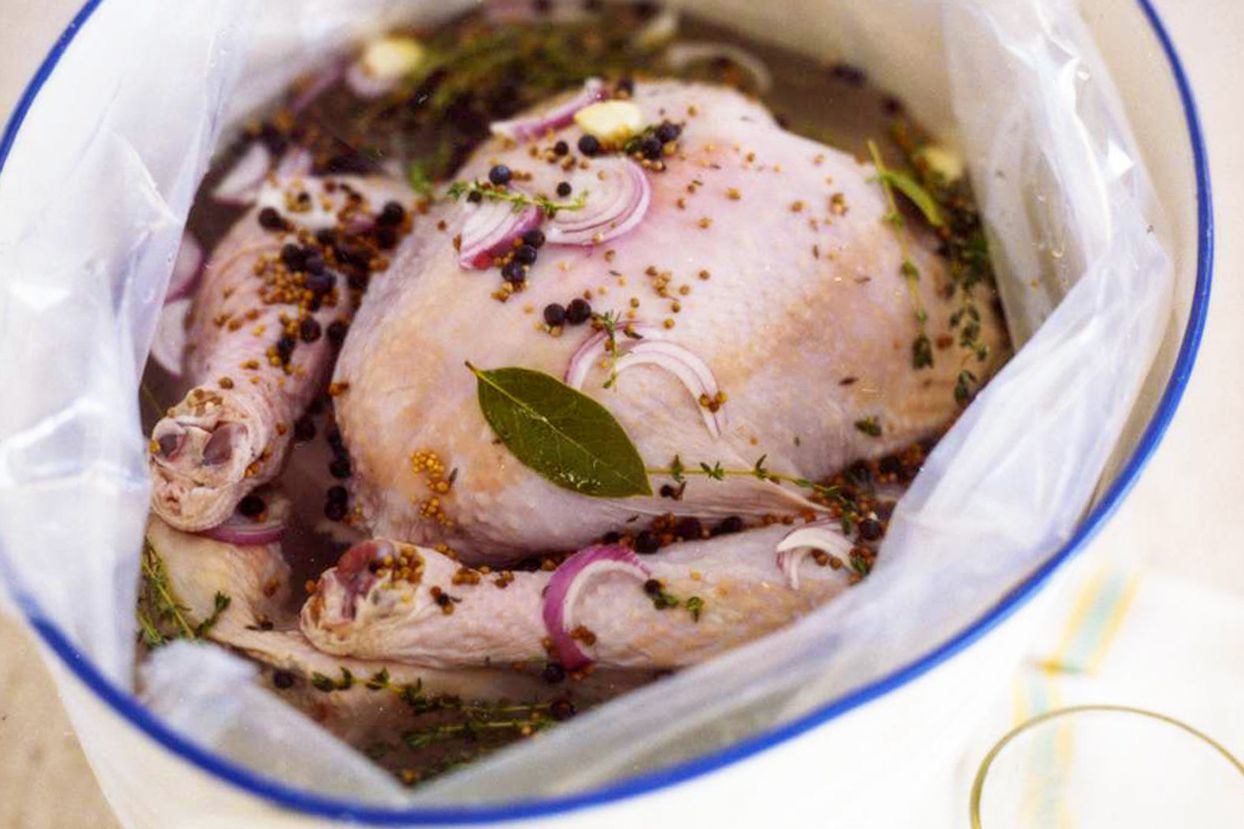
Container: A large, food-grade container is essential. This could be a clean 5-gallon bucket, a very large stockpot, or a specialized brining bag designed for turkeys. The bird must be fully submerged.
*
Basic Brine Solution: A general ratio is about 1 cup of kosher salt (or coarse sea salt) per gallon of water. For a 12-15 lb turkey, you might need 2 gallons of water and 2 cups of salt. Add 1/2 to 1 cup of sugar if desired.
*
Aromatics (Optional but Recommended): Onions (quartered), garlic cloves (smashed), citrus halves (lemon, orange), bay leaves, black peppercorns, fresh rosemary, thyme sprigs.
How to Wet Brine:
1.
Prepare the Brine: In a large pot, combine about half of your water with the salt, sugar (if using), and any sturdy aromatics. Bring to a simmer, stirring until the salt and sugar are fully dissolved. This step helps infuse the flavors more deeply.
2.
Cool Completely: Remove the pot from heat and add the remaining cold water. It's crucial that the brine is
completely chilled before adding the turkey to prevent bacterial growth. You can speed this up with ice.
3.
Submerge the Turkey: Carefully place the thawed turkey into your brining container. Pour the cooled brine over the turkey, ensuring it is fully submerged. You might need a plate or weight to keep the turkey from floating.
4.
Refrigerate: Place the entire container in the refrigerator. This is non-negotiable for food safety.
5.
Brining Time: Generally, allow about 1 hour of brining time per pound of turkey for a whole bird, but aim for a minimum of 8-12 hours and a maximum of 24 hours. A 12-15 lb turkey will typically brine for 12-18 hours.
6.
Rinse and Dry: Once brined, remove the turkey from the solution. Rinse it thoroughly inside and out under cold water to remove excess salt. Pat the turkey
exceptionally dry with paper towels. For the crispiest skin, you can place the turkey uncovered on a rack in the refrigerator for a few hours (or even overnight) to air dry before roasting.
Demystifying the Dry Brine Approach
The dry brine method involves applying a salt rub directly to the surface of the turkey and allowing it to sit. This method is often favored for its simplicity and the remarkably crispy skin it produces, as no additional water is introduced.
What You'll Need:
*
Turkey: Completely thawed.
*
Salt Mixture: High-quality kosher salt or coarse sea salt is key. A good general rule is about 1 tablespoon of kosher salt per 4-5 pounds of turkey. You can mix this with optional dried herbs (sage, thyme, rosemary), black pepper, or a pinch of sugar.
*
Equipment: A baking sheet with a wire rack.
How to Dry Brine:
1.
Prepare the Turkey: Pat the thawed turkey very dry with paper towels, both inside and out. Remove any giblets.
2.
Apply Salt: Generously sprinkle and rub your salt mixture all over the turkey, including the cavity and under the skin of the breast meat. Don't be shy, but ensure even coverage without creating large clumps.
3.
Refrigerate, Uncovered: Place the seasoned turkey on a wire rack set over a baking sheet. This allows for air circulation. Place it in the refrigerator, uncovered. This is crucial for the dry brining process and for achieving crispy skin.
4.
Brining Time: For a 12-15 lb turkey, allow 24 to 72 hours. A minimum of 24 hours is needed for the salt to penetrate deeply. The longer it sits, the more profound the effect.
5.
No Rinse Needed: Unlike wet brining, there's no need to rinse a dry-brined turkey. Simply pat it dry again with paper towels right before roasting, if there's any surface moisture. The skin will be beautifully firm and ready for roasting.
The choice between wet and dry brining often comes down to personal preference and practicality. Wet brining provides maximum moisture and an opportunity for broader flavor infusion, but requires a large container and careful handling. Dry brining is less messy, excels at producing crispy skin, and requires less fridge space, making it a favorite for many.
Essential Tips for Brining a Turkey Like a Pro
Regardless of whether you choose a wet or dry brine, a few key tips can elevate your brining game and ensure your turkey is the star of the show. These considerations go beyond the basic instructions to help you achieve truly spectacular results.
Flavor Boosters and Aromatic Additions
While salt is the star of the brine, aromatics are the supporting cast that add depth and complexity to your turkey's flavor profile.
*
Herbs: Fresh sprigs of rosemary, thyme, sage, and bay leaves are classic choices. For wet brines, they can be simmered with the salt solution. For dry brines, finely chop dried herbs and mix them directly with the salt.
*
Citrus: Halved lemons, oranges, or limes add a bright, zesty note. You can add them to a wet brine or stuff them into the cavity of a dry-brined bird just before roasting. Zest can also be mixed into a dry brine rub.
*
Alliums: Quartered onions, smashed garlic cloves, and even leeks contribute savory, pungent flavors.
*
Spices: Black peppercorns, juniper berries, whole cloves, star anise, or red pepper flakes can introduce unique aromatic layers.
*
Sugars: Brown sugar, maple syrup, or molasses in a wet brine can deepen the color of the skin and add a subtle sweetness that balances the salt.
Experiment with combinations to find your favorite. A "herby" brine might feature rosemary, thyme, and bay leaves, while a "citrusy" brine could incorporate orange peel, lemon, and a touch of ginger.
Safety and Storage: Keeping Your Turkey Safe
Food safety is paramount when brining.
*
Temperature Control: Always keep your turkey refrigerated during the entire brining process. If using a wet brine, ensure the brine solution is
fully chilled before adding the turkey.
*
Food-Grade Containers: Use only clean, food-grade containers or brining bags. Avoid metal containers that can react with the salt.
*
No Reuse: Never reuse brine solution, as it can harbor bacteria. Discard it immediately after use.
*
Cleanliness: Sanitize all surfaces, utensils, and your hands that come into contact with raw turkey or brine solution.
Pre-Brining and Post-Brining Considerations
A few steps before and after brining can significantly impact your final roast.
*
Thaw Completely: Ensure your turkey is fully thawed before brining. A partially frozen bird will not brine effectively.
*
Rinse (Wet Brine Only): After a wet brine, rinsing the turkey thoroughly is crucial to remove excess surface salt. If you skip this, your turkey could be too salty.
*
Pat Dry, Then Air Dry: For the crispiest skin, pat the turkey
extremely dry with paper towels after brining (and rinsing if wet brined). Even better, place the turkey uncovered on a wire rack in the refrigerator for several hours or overnight before roasting. This air-drying process dehydrates the skin, ensuring it will render out fat and crisp up beautifully in the oven. This step is often overlooked but is essential for achieving that desirable crunchy texture.
*
Stuffing: Brined turkeys cook faster than unbrined ones. If you plan to stuff your turkey, be aware of this reduced cooking time and ensure the stuffing reaches a safe internal temperature of 165°F (74°C). Many recommend cooking stuffing separately for safety and even cooking.
For more insights on preventing culinary disappointments, check out
Stop Dry Turkey: Master Brining for Unforgettable Flavor & Moisture.
Conclusion
No longer must you dread the prospect of a dry, uninspiring turkey. By mastering
how to brine a turkey, you unlock the secret to consistently delivering a bird that is incredibly juicy, deeply flavorful, and crowned with a shatteringly crispy skin. Whether you choose the immersive embrace of a wet brine or the concentrated power of a dry brine, the science is clear: brining transforms turkey from a culinary challenge into a triumph. So, the next time you prepare this majestic bird, embrace the brine. Your taste buds, and those of your appreciative guests, will thank you for it.